
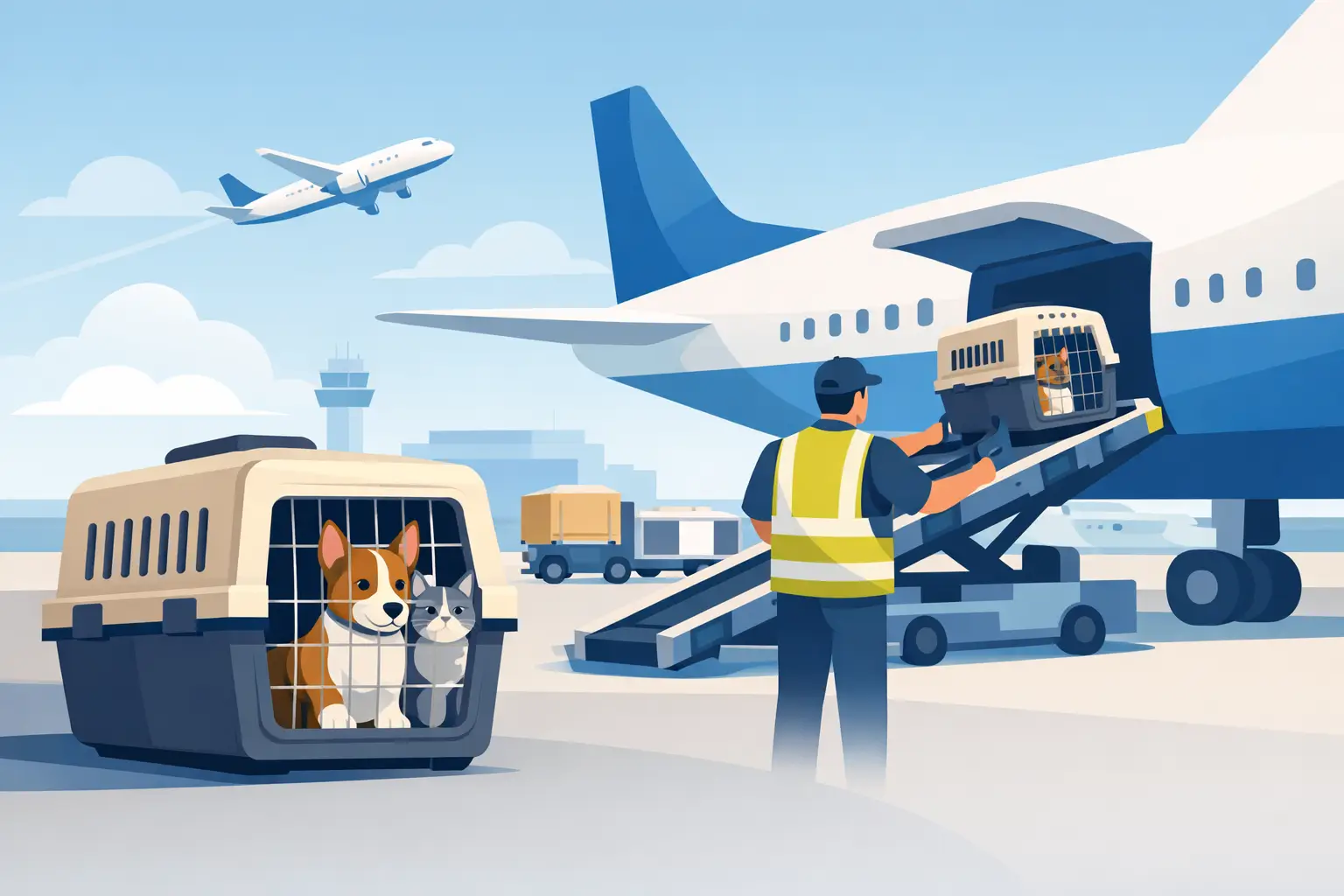
Cargo Pet Travel Done Safely
When a pet must fly as cargo, the concern is immediate and personal. Cargo pet travel can sound intimidating at first, but in the right hands, it is a structured, highly managed process built around animal safety, airline rules, and careful coordination from departure to arrival.
For many families, breeders, and professional animal care teams, cargo transport is not a last resort. It is often the correct and safest option when a pet is too large for cabin travel, when the route is international, or when airline policies require transport through an approved cargo program. The key difference is not simply where the pet rides on the aircraft. The real difference is how thoroughly the move is planned.
What cargo pet travel actually means
Cargo pet travel refers to pet transportation arranged through an airline’s live animal cargo system rather than standard passenger baggage handling. That distinction matters. Live animal bookings usually involve documented acceptance procedures, crate inspections, routing controls, temperature rules, and specific timing for check-in and pickup.
This process is designed for animals that need more than a basic airline reservation. Dogs, cats, birds, rabbits, and other companion animals may all travel this way depending on breed, size, destination, and seasonal restrictions. For larger animals or more sensitive species, cargo handling can offer a more appropriate level of operational oversight than travelers expect.
The phrase cargo sometimes causes unnecessary alarm because people picture freight moving without supervision. Live animal transport is different. Animals are booked under welfare-focused standards, and every stage must account for the fact that the traveler is a living being with species-specific needs.
Why pets travel as cargo in the first place
Some pets cannot travel in the cabin because of size or carrier restrictions. Others are flying on routes where airlines no longer accept pets as checked baggage. International relocations also bring in import permits, health certificates, customs clearance, and receiving requirements that are better managed through a formal cargo channel.
There are also practical welfare reasons. A properly scheduled cargo movement can reduce unnecessary handoffs, avoid unsuitable aircraft, and ensure the pet is accepted under conditions that meet airline and destination requirements. That is especially true for brachycephalic breeds, senior pets, large dogs, and animals with stricter temperature sensitivity.
It depends on the route, the season, and the pet. A short domestic move for a healthy medium-sized dog is very different from an international relocation involving quarantine coordination or connecting flights. The safest plan is the one built around the individual animal, not a one-size-fits-all booking.
The biggest risks are usually planning mistakes
Most problems in cargo pet travel do not begin in the air. They begin on the ground with incomplete paperwork, a noncompliant crate, poor timing, weather restrictions, or a route that was never suitable for the pet.
A crate that is too small can lead to airline rejection on the day of departure. An outdated health certificate can stop international acceptance. A connection that looks fine on paper may create unnecessary exposure to heat, cold, or long dwell times between flights. These are preventable issues, but only if someone is reviewing the move with experience.
That is why professional coordination matters. Safe animal transport is built on route selection, regulatory knowledge, species handling, and contingency planning. Reassurance is important, but reassurance without logistics is not a transport plan.
How safe cargo pet travel is managed
A professionally managed move starts well before travel day. The pet’s species, breed, age, weight, health status, and temperament all affect what is possible. The origin and destination matter just as much, especially when import rules, quarantine procedures, customs inspections, or airport handling limitations are involved.
The next step is crate planning. The crate must meet airline and live animal transport requirements, but compliance alone is not enough. The pet should be able to stand naturally, turn around, and lie down comfortably. Ventilation, absorbent bedding, secure fasteners, food and water provisions, and labeling all need to be correct.
Scheduling is equally important. Flights should be chosen with animal welfare in mind, not simply cost or convenience. Whenever possible, direct flights reduce transfer risk. When connections are necessary, they should allow adequate handling time without creating excessive layovers. Weather windows also need close attention because temperature embargoes and seasonal restrictions can change quickly.
Documentation completes the foundation. Depending on the route, that may include a health certificate, vaccination records, import permits, microchip records, customs paperwork, and destination-specific declarations. If any piece is missing or inconsistent, the trip can stall at acceptance or arrival.
Preparing your pet for cargo travel
Preparation should make the pet more comfortable, not just more compliant. Crate familiarization is one of the best ways to reduce stress. A pet that already sees the crate as a safe space will usually handle transport better than one introduced to it the night before departure.
Owners should also be cautious about feeding, hydration, and exercise based on veterinary guidance and airline instructions. Too much food before travel can cause discomfort, while too little planning around water can create avoidable stress. Sedation is another area where expert guidance matters. In many cases, sedation is discouraged because it can interfere with normal balance, breathing, and physiological response during transit.
Pets also benefit from predictable routines in the days leading up to travel. Calm handling, familiar bedding when allowed, and avoiding unnecessary last-minute changes can help. For anxious animals, the right answer is not always medication. Sometimes the better solution is a more suitable route, cooler travel hours, or additional professional support at each handoff.
Cargo pet travel for domestic and international moves
Domestic cargo moves are often simpler, but they still require precision. Airline acceptance windows, crate compliance, and weather restrictions can all affect departure. Pickup planning matters too, especially if the receiving party is unfamiliar with cargo terminals or identification requirements.
International travel adds another layer entirely. Countries can require specific vaccinations, waiting periods, parasite treatments, import permits, quarantine bookings, or broker coordination. Some destinations have breed restrictions or strict documentation timing that must match the flight schedule exactly.
This is where experienced animal logistics providers add real value. They do not just book space. They organize the movement around compliance, welfare, and timing so the animal is not exposed to unnecessary disruption. For complex relocations, that level of oversight can make the difference between a controlled transition and a failed shipment.
Choosing the right transport partner
Not every shipper who handles crates understands live animals. That is an important distinction. Pet owners and institutional clients should look for a provider that understands airline live animal programs, species-specific handling, documentation requirements, and the operational realities of domestic and international transport.
Ask practical questions. Who reviews the route for safety and seasonal restrictions? Who checks the crate? Who confirms import requirements? What happens if there is a delay, cancellation, or weather issue? A reliable transport partner should be able to answer clearly and without hesitation.
Compassion matters, but so does control. The strongest providers combine both. They understand that a family dog is not just cargo, and they also know that caring about an animal must translate into precise execution. That balance is what clients should expect from a specialized company such as Global Animal Transport.
When cargo is the right choice
Cargo transport is often the right choice when an animal is too large for cabin travel, when an airline requires use of its live animal cargo division, or when a relocation involves complex routing and regulatory controls. It can also be the most responsible option for organizations moving valuable breeding animals, zoological species, or sensitive companion animals that require coordinated handling.
That does not mean every pet should travel this way without question. Very young, medically fragile, or highly heat-sensitive animals may require a different plan, a different season, or in some cases a delay. Good transport planning is never about forcing a shipment through. It is about deciding whether the move is appropriate now and, if so, how to do it safely.
The best cargo pet travel arrangements do not rely on luck. They rely on experienced planning, humane handling, compliant equipment, and informed decisions at every stage. When those pieces are in place, cargo travel becomes what it should be – a careful, professional service built to move animals safely from one place to the next.
If your pet needs to travel by air cargo, the most useful first step is not guessing what the airline might allow. It is getting a plan built around your animal, your route, and the standards that keep the journey safe.
