
Best Ways to Ship Poultry Safely and Humanely
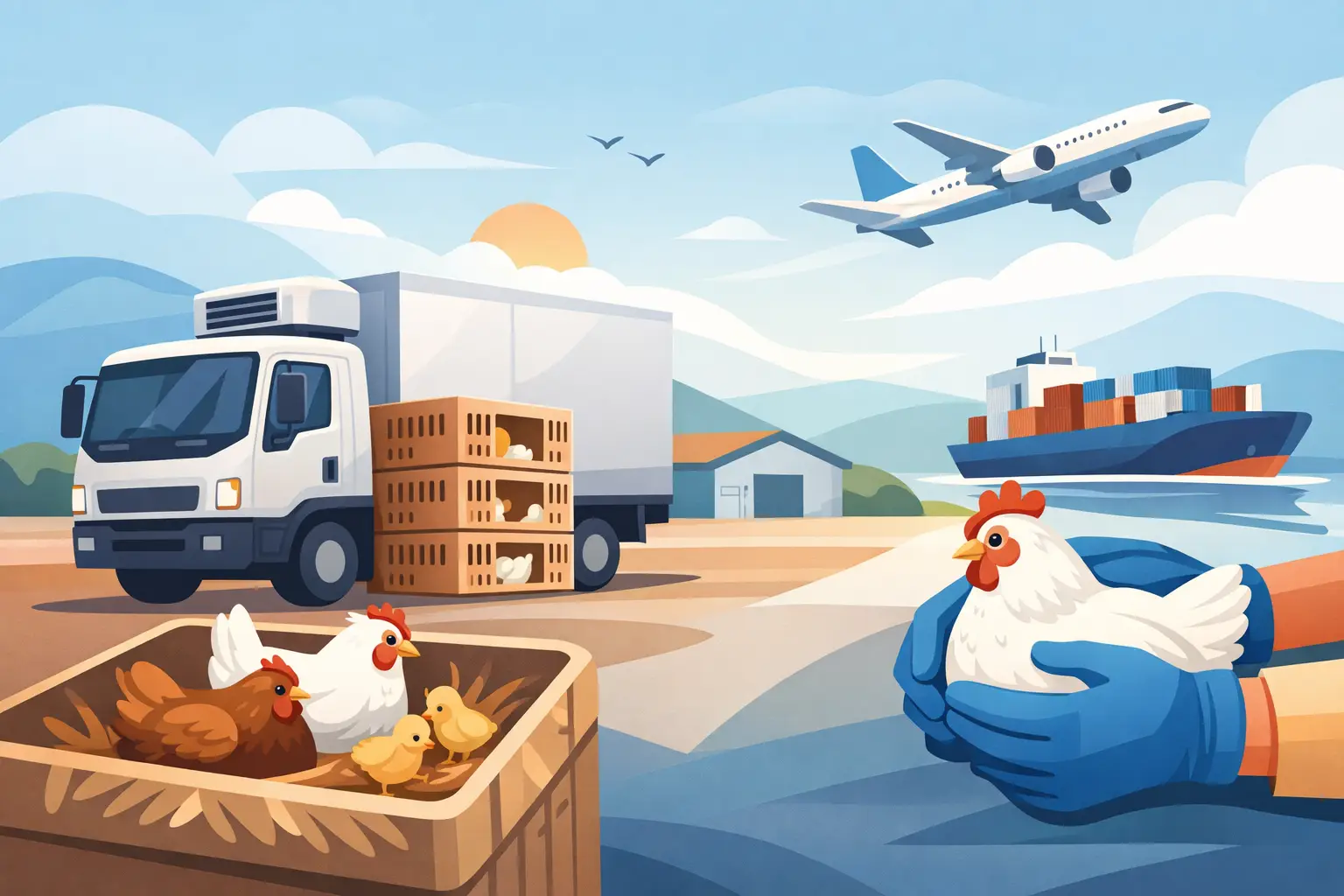
A shipment of poultry can be affected by a delayed connection, a sudden temperature change, or paperwork that does not match the destination’s entry rules. The best ways to ship poultry begin with treating every bird as a live animal with species-specific needs, not as ordinary cargo. Whether you are moving a small group of backyard chickens, breeding stock, hatchlings, or a commercial flock, the transport plan must protect welfare while meeting carrier, state, federal, and international requirements.
Poultry transport is never one-size-fits-all. A short domestic ground move calls for different safeguards than an air shipment across state lines or an international relocation involving quarantine and veterinary certification. The right method depends on the bird’s age, health, breed, number of animals, distance, season, and destination regulations.
Best Ways to Ship Poultry: Start With the Right Transport Method
The safest shipping method is the one that minimizes handling, transit time, temperature exposure, and uncertainty. For a local or regional move, professionally managed ground transport can offer strong control over timing and environmental conditions. It may be the preferred option for mature birds, valuable breeding groups, or shipments that require frequent welfare checks.
Air transport is often the practical choice for long domestic routes and international moves. It can substantially reduce total travel time, but it requires careful coordination with airlines, cargo terminals, ground handlers, and destination authorities. Flight schedules, aircraft type, seasonal embargoes, and airport acceptance procedures all matter. A direct flight is generally preferable, particularly for birds that may be vulnerable to stress or extreme temperatures.
Day-old chicks are a distinct transport category. Healthy chicks can travel under controlled conditions because they retain nutrients from the yolk sac shortly after hatching, but the shipment must be timed precisely and use containers designed for their age and ventilation needs. Do not assume that a method appropriate for day-old chicks is suitable for older birds. Juvenile and adult poultry need a different plan for hydration, feed access, space, and rest.
Postal services may be permitted for limited categories of live poultry in certain circumstances, but eligibility, packaging rules, origin and destination restrictions, and service availability can change. This option should only be used after confirming current carrier policies and all applicable regulations. For valuable, large-volume, mature, or international shipments, specialized live-animal logistics is the more appropriate approach.
Use Containers Built for Poultry Welfare
A suitable crate or transport container is one of the most important protections in the journey. It must be strong enough to prevent escape or collapse, yet designed with adequate airflow on multiple sides. Poultry can overheat quickly in poorly ventilated containers, especially when several crates are positioned close together during loading or holding.
Container size should allow each bird to stand naturally, turn where appropriate, and maintain balance without excessive room that could increase injury during movement. Overcrowding creates heat buildup, stress, and a higher risk of trampling. Too much unused space can also be unsafe if birds slide or are thrown off balance during transport.
The flooring should provide secure footing and absorb moisture. Clean, appropriate bedding helps keep birds dry and reduces slipping. Containers also need dependable closures that handlers can inspect without creating an escape risk. For air transport, the crate must meet the airline’s live-animal acceptance standards in addition to any requirements imposed by the destination.
Labels are not a minor detail. Each container should be clearly marked for live animals, orientation, handling needs, and shipment identification. The person receiving the poultry should be easy to reach if a schedule changes or a question arises at a terminal.
Avoid Mixed Groups When Possible
Birds vary in size, temperament, sex, and social hierarchy. Combining incompatible poultry in one container can lead to pecking, fighting, injury, or unnecessary distress. Mature roosters, aggressive individuals, and birds from unfamiliar groups often need separation. Breeding stock and exhibition birds may also require more individualized arrangements to protect condition and value.
A professional transport plan considers these behavioral realities before the birds reach the loading area. Separating groups early is far safer than trying to correct a welfare issue in transit.
Build the Schedule Around Weather and Handling Time
Heat and cold are among the most serious threats in poultry transport. The journey does not begin when a truck leaves or a plane takes off. It begins when birds are collected, loaded, held at the origin facility, transferred, unloaded, and delivered. Every stage needs an environmental plan.
Avoid scheduling during the hottest part of the day when possible. In cold conditions, protect birds from drafts and prolonged exposure while preserving ventilation. In warm conditions, do not rely on a closed container or a shaded loading area alone to prevent overheating. Air movement, holding time, vehicle conditions, and local humidity all affect risk.
Direct routing reduces exposure and handling. If a connection cannot be avoided, confirm where the birds will be held, how long the layover may last, and who is responsible for monitoring the shipment. A low-cost itinerary with multiple transfers can become expensive if it increases stress, delays, or the possibility of missed connections.
Contingency planning is equally important. Weather disruptions, mechanical issues, and flight changes happen. Responsible shippers prepare for alternative routing, temporary holding, communication with the consignee, and veterinary support if needed.
Confirm Health Documents and Import Rules Before Booking
Poultry movement is subject to health and agricultural rules intended to protect animal welfare, food systems, and regional flocks. Requirements may include certificates of veterinary inspection, testing, permits, flock health statements, import approvals, or quarantine arrangements. Rules differ by state, country, poultry type, and intended purpose, such as breeding, exhibition, production, or personal ownership.
For international shipments, documentation may involve export certificates, destination import permits, customs declarations, airline paperwork, and inspections. Some destinations restrict specific species, breeds, eggs, or poultry products due to disease-control measures. Requirements can change quickly during an avian health event, so documentation should be verified well before departure rather than assumed from a previous shipment.
A pre-travel veterinary examination helps confirm that each bird is fit for transport and gives the owner time to address a concern before it becomes a travel-day problem. Transporting a bird that is ill, injured, severely stressed, or otherwise unfit is not humane and may violate carrier or regulatory rules.
Keep originals and copies organized according to the route and authority requirements. Missing paperwork can result in refusal at check-in, border delays, detention, return shipment, or quarantine costs. The strongest plans align veterinary timing, permit validity dates, and transport bookings from the beginning.
Prepare Poultry Calmly Before Departure
Travel-day care begins well before loading. Birds should be accustomed to handling and, where practical, introduced to their containers in advance. Calm, confident handling reduces panic and lowers the chance of wing injuries, escape, or overheating caused by agitation.
Feed and water planning should follow the birds’ age, travel duration, weather, and veterinary guidance. Mature poultry may need access to hydration arrangements appropriate for the trip, while unnecessary feed immediately before a short move can create sanitation issues. There is no universal withholding schedule that is safe for every shipment. The goal is to support the birds’ condition without compromising container hygiene or transit safety.
Before departure, inspect every bird for signs of illness or injury and check legs, wings, eyes, breathing, and overall alertness. Confirm the count against shipment documents. Do not use transport day to discover a damaged crate, an expired certificate, or an unavailable receiver.
When Specialized Coordination Is the Best Choice
A knowledgeable poultry owner may manage a straightforward local move, provided all welfare and legal requirements are met. The equation changes when the shipment involves air cargo, multiple states, international borders, rare breeds, commercial quantities, breeding programs, or complex delivery conditions. In these situations, professional coordination helps prevent gaps between the veterinarian, carrier, handlers, authorities, and receiving party.
Global Animal Transport plans live-animal moves around humane handling, regulatory compliance, route feasibility, and species-specific care. For poultry owners and organizations, that means looking beyond the booking itself to the full chain of custody, from safe container selection through arrival confirmation.
The best shipment is not simply the fastest or cheapest available option. It is the one that gives the birds appropriate space, ventilation, handling, documentation, and a realistic path to their destination. Before committing to a route, ask one practical question: if the schedule changes, who is prepared to protect the birds? The answer should be clear before the first crate is loaded.
