
What Is a Health Certificate for Pets Used For?
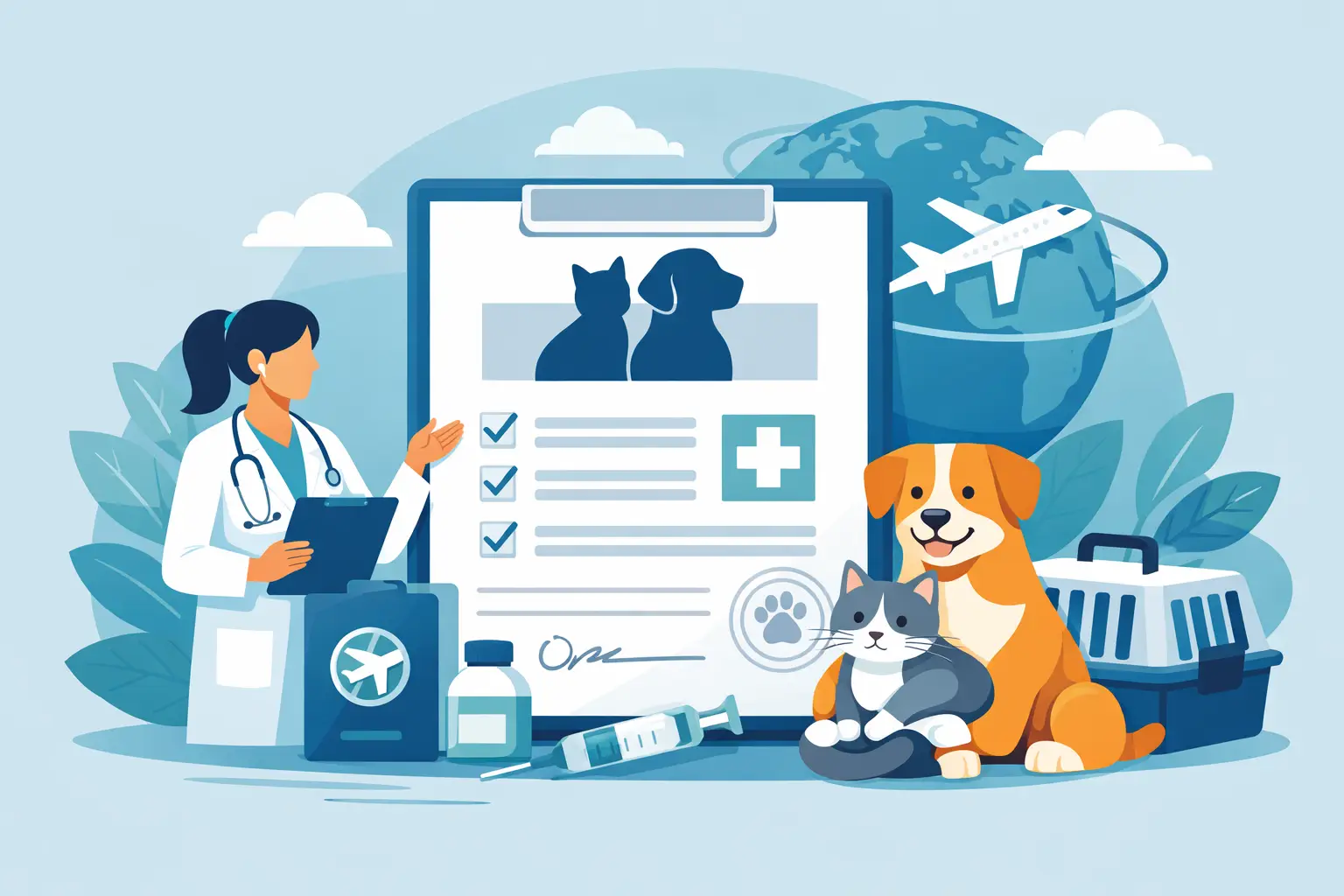
A pet’s travel crate may be ready, but travel cannot move forward until the paperwork matches the destination’s rules. So, what is a health certificate for pets? It is a veterinary document confirming that an animal was examined, appears fit for travel, and meets the health-related entry requirements that apply to a particular trip.
For families relocating with a dog or cat, this certificate can be the document that allows an airline to accept the pet for transport. For breeders, zoos, aquariums, and conservation organizations, it is one part of a larger compliance package supporting safe, lawful movement. The exact requirements depend on the species, destination, transport method, and purpose of the shipment.
What Is a Health Certificate for Pets?
A health certificate for pets is commonly called a Certificate of Veterinary Inspection, or CVI. A licensed veterinarian issues it after examining the animal and reviewing information required by the state, airline, or country receiving the pet.
The certificate typically identifies the animal by species, breed, age, sex, color, markings, and microchip number when applicable. It also records the owner or shipper, the destination, the veterinarian’s findings, and relevant vaccination information. For international travel, the paperwork may need an additional government endorsement after the veterinarian completes the certificate.
A health certificate is not a general promise that a pet will never become ill, nor is it interchangeable with a vaccination record. It is a time-sensitive travel document. It confirms the animal’s health status at the time of examination and helps authorities reduce the risk of introducing contagious diseases into another area.
Why Travel Authorities Require It
Animal travel rules exist to protect the animal in transit, other animals, people, and local agriculture or wildlife. A dog flying between two U.S. states may need a relatively straightforward CVI. That same dog moving internationally may need proof of rabies vaccination, a microchip, parasite treatment, laboratory testing, an import permit, and an endorsed health certificate.
Authorities also use the document to trace an animal’s origin and destination if a disease concern arises. Airlines may review certificates before accepting a pet, while border officials may inspect them upon arrival. If a document is expired, incomplete, or issued on the wrong form, an animal can be delayed, refused transport, quarantined, or required to return to its point of origin.
That is why the certificate should be treated as a logistical requirement, not an administrative afterthought. The safest travel plan starts with the rules of the destination and works backward to the veterinary appointment.
What a Veterinarian Checks Before Issuing a Certificate
During the appointment, the veterinarian assesses whether the animal appears healthy enough to travel. The examination may include checking the eyes, ears, skin, coat, heart, lungs, temperature, hydration, mobility, and overall condition. The veterinarian may also look for signs of infectious disease, injury, stress, or a condition that could worsen during transport.
For many pets, the veterinarian will verify vaccination history and confirm identification details. For international travel, the exam may need to occur within a narrow window before departure. Some destinations also require specific diagnostic tests or treatments to be completed days, weeks, or even months before travel.
The veterinarian’s role is essential, but the veterinarian does not set every destination rule. Import requirements are established by the receiving state, country, territory, or agency. A qualified transport coordinator can help organize the timeline so the veterinary visit, endorsements, permits, and flight schedule align correctly.
The certificate has a limited validity period
Most health certificates are valid only for a defined period, often measured in days rather than months. The applicable period varies by jurisdiction, airline, and type of transport. An exam completed too early can leave the certificate expired before the animal arrives. An exam completed too late can create problems if a government endorsement is required before departure.
This timing becomes more complex when an itinerary includes several flights, a layover in another country, or a move during a holiday period. Travel plans should account for possible appointment delays, document processing times, and changes in flight availability. Building in reasonable time protects both the animal’s welfare and the shipment schedule.
Domestic and International Pet Health Certificates
Domestic pet travel is generally simpler, but it is not rule-free. State entry requirements can differ, and airlines may have their own policies for animals traveling in cabin, checked baggage, or cargo. A certificate accepted by one carrier or destination may not satisfy another.
International travel requires more detailed planning because each country has its own animal import rules. Some countries accept a standard veterinary certificate with an official endorsement. Others require a specific government-issued form, advance import approval, particular microchip standards, rabies antibody testing, or a quarantine reservation.
There is no universal international pet health certificate. Requirements can also change with disease outbreaks, seasonal restrictions, or updates to government policy. Relying on old paperwork from a prior move can be risky, even when the same pet is returning to the same country.
How to Prepare Without Rushing Your Pet’s Move
Begin by confirming the exact destination, intended arrival date, species, and travel method. Those details determine which rules apply. A household cat traveling from California to another U.S. state has very different requirements than a dog relocating overseas, or an exotic animal moving between accredited facilities.
Next, review the animal’s records well ahead of departure. Confirm that microchip information is correct, vaccination documentation is available, and any destination-specific testing or treatment can be completed on schedule. If your pet has a chronic condition, is very young, is older, or has recently been ill, speak with the veterinarian early about travel fitness and any special handling needs.
Keep original records organized and make sure names, microchip numbers, dates, and destination details are consistent across all documents. A minor discrepancy can become a major issue at check-in or border inspection. It is also wise to carry copies separately from the originals during travel.
For complex domestic or international moves, Global Animal Transport coordinates species-appropriate travel planning with close attention to documentation, routing, humane handling, and timing. Professional coordination is especially valuable when permits, endorsements, multiple carriers, or specialized care arrangements are involved.
Common Misunderstandings About Pet Health Certificates
One common misunderstanding is that every pet needs the same certificate. In reality, requirements may vary by species, origin, destination, airline, and purpose of travel. A certificate for a commercial shipment may differ from one used for a personal relocation.
Another is assuming a current rabies certificate is enough. Rabies documentation is often necessary, but it may not replace a travel health certificate or meet a country’s full import conditions. Likewise, a pet that looks healthy may still be unable to travel if required testing, identification, or official endorsements are missing.
Finally, owners sometimes wait until flights are booked before checking the paperwork timeline. That approach can create avoidable stress. Certain destinations impose lead times that cannot be shortened, particularly when blood tests or waiting periods are required.
When to Ask for Professional Guidance
A routine domestic trip may be manageable with early planning and a veterinarian familiar with travel certificates. Professional guidance becomes particularly helpful when a move involves international borders, multiple animals, uncommon species, tight deadlines, or a destination with strict import controls.
The goal is not simply to obtain a signed form. It is to make sure every requirement supports a safe, humane, and compliant journey from the first veterinary exam through arrival. Start the documentation conversation early, give your animal time for any required treatments or testing, and let careful planning protect the journey ahead.
