
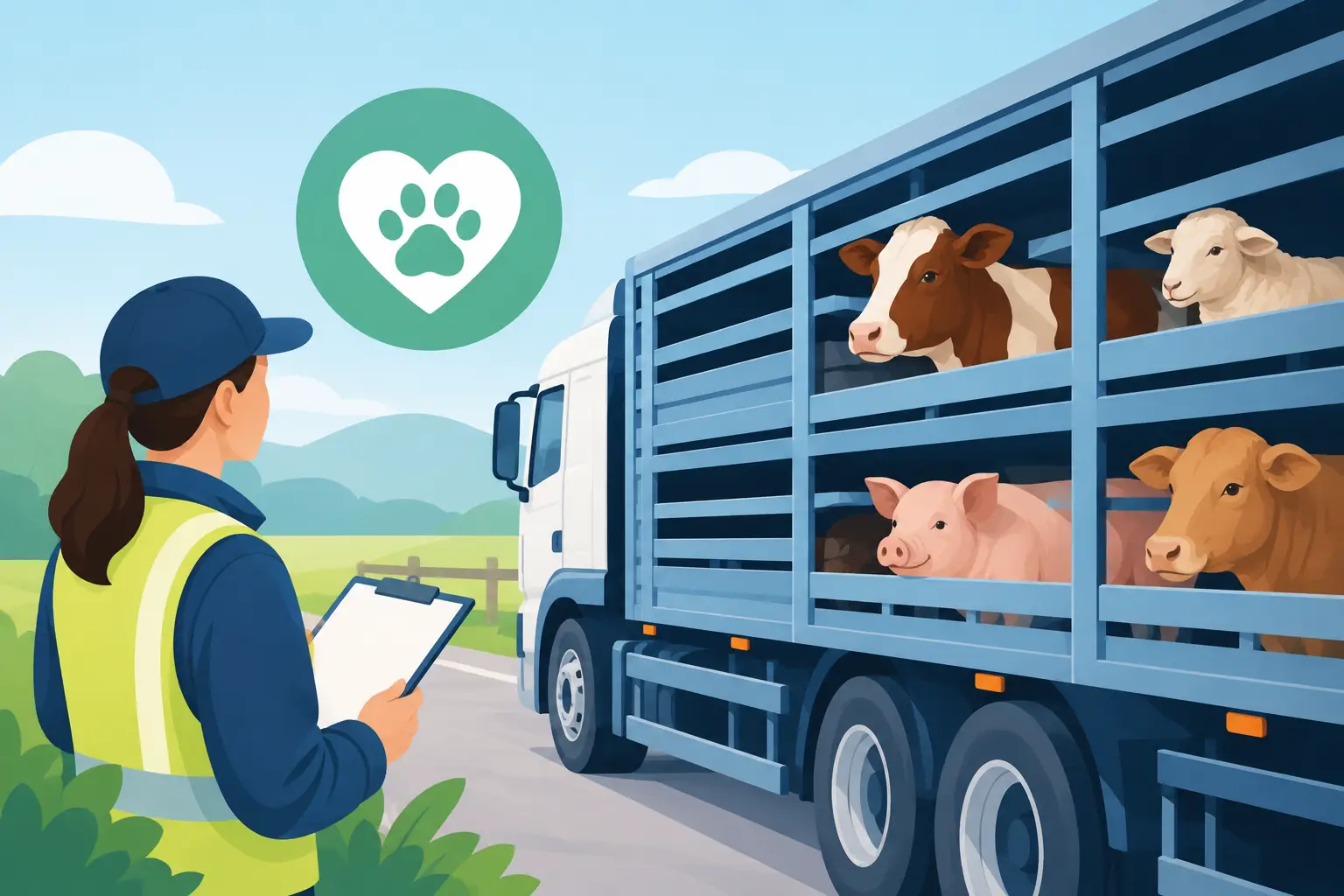
Animal Welfare Standards for Safe Transport
A transport plan can be technically on schedule and still fall short if an animal arrives dehydrated, frightened, injured, or unable to settle. Animal welfare is the standard that keeps logistics centered on the animal’s physical condition, behavior, and species-specific needs at every point in the journey.
For a family moving with a dog, a breeder shipping animals between facilities, or a zoo coordinating the relocation of a large mammal, transportation is never simply a matter of booking space. It requires informed planning, humane handling, suitable equipment, regulatory coordination, and accountable care from pickup through final delivery.
What Animal Welfare Means During Transport
Animal welfare during transportation means protecting an animal from avoidable stress, discomfort, illness, injury, and exposure to unsuitable conditions. The goal is not merely to complete a move. The goal is to complete it while preserving the animal’s health, stability, and ability to recover comfortably at its destination.
That standard looks different by species. A cat may need a quiet, secure carrier and careful temperature control. Horses require appropriate stall configuration, loading expertise, ventilation, and rest planning. Fish and other aquatic animals depend on water quality, oxygen levels, temperature stability, and timing that limits time in transit. Exotic animals may require specialized containment, permits, veterinary oversight, and handlers who understand their behavior.
Welfare also extends beyond the vehicle or aircraft. It begins when the route is designed and continues through pre-travel conditioning, crate selection, documentation, transfers, customs clearance, monitoring, and post-arrival handoff. Weakness in any one stage can create unnecessary risk.
Why Transport Is a Welfare-Critical Event
Even well-adjusted animals can find travel disruptive. New sights, sounds, smells, motion, unfamiliar people, separation from routine, and changes in temperature can all affect behavior and physical condition. Some animals show stress quietly through reduced appetite, withdrawal, altered posture, or fatigue. Others may vocalize, resist handling, or become reactive.
Longer journeys add further considerations. Flight timing, weather, road conditions, border procedures, ground transfer coordination, and destination readiness all influence how long an animal remains in a transport environment. A route with fewer connections may cost more, yet it can reduce handling events and transit time. In many cases, that is the better welfare decision.
There is no single transport formula that serves every animal. A healthy adult dog on a domestic trip presents different requirements than a group of breeding cattle, a marine specimen, or a protected zoological species moving internationally. Professional planning starts with the animal, then builds the logistics around its needs.
The Foundations of Humane Animal Transport
Fitness to Travel Comes First
Before scheduling transportation, an animal should be assessed for travel readiness. Age, overall health, pregnancy status, recent illness or surgery, temperament, acclimation, and species-specific sensitivities all matter. Required veterinary certificates and destination health rules are essential, but paperwork alone does not confirm that a particular animal is ready for a particular trip.
Owners and institutions should provide complete, accurate information about medical history, medications, feeding routines, behavioral triggers, and prior travel experiences. Withholding details can compromise planning. A qualified transport coordinator can then identify when extra support, a revised route, or a different travel date may be appropriate.
The Right Container Protects More Than Compliance
A crate, stall, kennel, tank, or custom enclosure must be suited to the animal’s size, movement, and natural posture. It should provide security without unnecessary confinement, adequate airflow, dependable structural strength, and safe access for trained personnel when needed.
For many animals, acclimation to the transport container before departure makes a meaningful difference. A pet that sees its kennel as a familiar resting place is often better prepared than one introduced to it only at pickup. For institutional moves, species-specific containment may require advance testing, custom fabrication, and coordination with animal care teams.
The container must also fit the transportation method. What is appropriate for ground transport may not meet airline, vessel, or international handling requirements. A welfare-focused provider evaluates the complete journey rather than treating the container as a last-minute purchase.
Temperature, Ventilation, and Hydration Require Active Planning
Environmental conditions are among the most significant transport variables. Heat, cold, humidity, poor airflow, and direct sun exposure can become dangerous quickly, especially during loading, layovers, and ground transfers. Seasonal restrictions may limit when certain animals can travel safely, and those restrictions should be treated as safeguards, not obstacles.
Hydration and feeding plans also need species-specific judgment. Some animals require access to water throughout a journey, while others need carefully managed feeding intervals to avoid gastrointestinal issues. Aquatic shipments require a separate level of environmental control, including oxygenation, water chemistry, insulated packing, and rapid movement between facilities.
A reliable schedule allows time for proper care. Rushing an animal because a connection is tight is rarely a responsible solution.
Animal Welfare Depends on Skilled People
Equipment matters, but trained people make the difference when conditions change. Handlers need to recognize normal behavior, stress signals, and early signs of distress. They must know how to load calmly, minimize noise and crowding, use safe restraint practices, and respond without escalating fear.
This is especially critical for animals with substantial strength, sensitive temperaments, or specialized care needs. Large animals, livestock, birds, reptiles, and zoological species should not be managed under assumptions borrowed from routine pet transport. They require personnel, procedures, and contingency plans that reflect their biology and behavior.
Communication is part of humane handling, too. Owners and receiving teams deserve clear expectations about pickup timing, documents, preparation, transit milestones, and arrival procedures. Uncertainty is stressful for people responsible for animals, and poor communication can cause preventable delays at a critical handoff.
Documentation and Compliance Protect the Animal
Import permits, export requirements, health certificates, customs declarations, airline rules, and wildlife regulations can appear administrative, but they directly affect welfare. Incomplete or incorrect documents can leave an animal waiting at a terminal, held at a border, or denied entry after a long trip.
International moves demand particular care because requirements can vary by country, species, origin, destination, and purpose of transport. Certain animals may have additional conservation, agricultural, or quarantine requirements. Planning should begin early enough to obtain correct approvals and to allow time for veterinary appointments, testing, treatments, or microchip verification.
A qualified provider does not treat compliance as a separate department from animal care. Proper documentation protects the travel timeline, and a protected timeline reduces the chance of unnecessary confinement or disruption.
Choosing a Welfare-Focused Transport Partner
The right transport partner should be able to explain how it will manage your animal’s specific needs, not just describe general shipping options. Ask how the route was selected, who will handle the animal at each stage, what type of enclosure is required, how weather is evaluated, and what happens if a flight, clearance, or transfer changes unexpectedly.
For complex relocations, experience across transport modes is valuable. Air cargo, charter aircraft, ground transport, ocean movements, and specialized life-support systems each present different operating conditions. A provider should coordinate these details as one connected care plan.
Global Animal Transport approaches each move with this level of coordination, whether the shipment involves a household pet, livestock, aquatic life, or a zoological species. The operational plan should always support the welfare needs of the animal, not force the animal to fit a generic process.
Preparing for a Calmer Departure and Arrival
Owners and care teams can improve outcomes by keeping preparation steady and familiar. Confirm travel documents well before departure, follow veterinary guidance, allow time for crate acclimation, and provide accurate feeding and medication instructions. Avoid last-minute changes unless safety requires them.
At the destination, arrange a quiet, secure receiving area with water, appropriate temperature, and the supplies needed for the animal’s first hours. Some animals need time to decompress before handling or reintroduction. For group animals or sensitive species, the receiving team’s preparation may be just as important as the journey itself.
A well-managed relocation should give every animal the best possible chance to arrive safe, stable, and ready to settle into its next environment. That is the practical standard behind humane transport, and it is the standard worth insisting on before any journey begins.
