
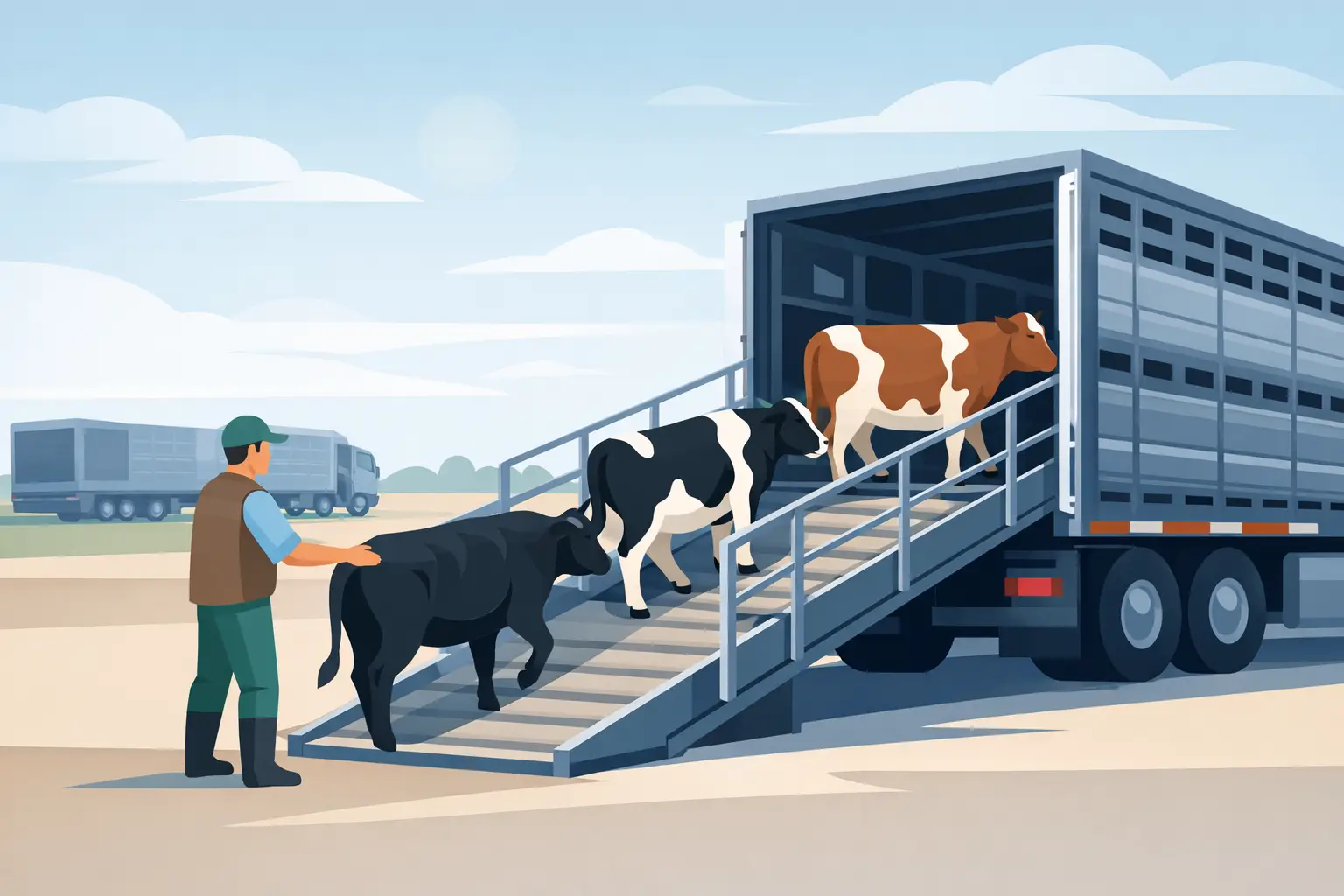
Best Practices for Humane Animal Loading in Transit
A loading area can become the most stressful part of an animal’s journey in a matter of minutes. Noise, unfamiliar people, sudden movement, poor footing, and rushed decisions can turn a well-planned relocation into an avoidable welfare risk. The best practices for humane animal loading put the animal’s physical condition and behavioral needs first, while giving handlers a disciplined process to follow.
For pets, livestock, zoological animals, and aquatic species alike, humane loading is not simply getting an animal into a crate, trailer, or aircraft unit. It is a controlled transfer between safe environments. That requires species-specific planning, trained personnel, suitable equipment, and the willingness to pause when the animal is showing signs of distress.
Start With a Loading Plan, Not a Loading Deadline
Loading should begin long before the transport vehicle arrives. A clear plan identifies the animal or group being moved, their health status, temperament, handling history, travel container, route through the facility, and destination within the vehicle or aircraft. This preparation reduces the need for decisions under pressure.
For an individual pet, planning may mean allowing time for a familiarization period with the travel crate and choosing a quiet departure window. For livestock or zoo animals, it may involve mapping gates, ramps, holding pens, vehicle placement, and safe separation between incompatible animals. Aquatic transport demands additional coordination around water quality, oxygenation, temperature, containment, and transfer timing.
The schedule matters as much as the physical setup. Loading should not be compressed to meet an unrealistic pickup or flight deadline. Animals often need time to observe a new ramp, settle after movement, or respond to calm encouragement from a trusted handler. A short delay is preferable to forcing an animal forward and creating an injury, panic response, or unsafe situation for staff.
Confirm Fitness to Travel Before Movement Begins
A pre-loading assessment should verify that each animal is fit for transport. Handlers should look for signs of illness, injury, lameness, dehydration, respiratory difficulty, abnormal behavior, or excessive fatigue. An animal that is not fit to travel should be assessed by the appropriate veterinary professional before loading proceeds.
This is especially relevant after long staging periods, high temperatures, sedation, medical treatment, or group handling. Conditions can change quickly. A plan made the previous day does not replace a careful welfare check at the point of loading.
Create a Calm, Safe Loading Environment
Animals react to what they see, hear, smell, and feel underfoot. The loading environment should be as quiet and predictable as operationally possible. Avoid unnecessary vehicle idling, shouting, sudden door movements, loose equipment, and congestion around the route.
Lighting deserves close attention. Dark doorways, sharp shadows, reflections on wet surfaces, and bright glare can cause animals to stop or retreat. Even a confident horse, livestock animal, or dog may hesitate when the path ahead appears visually unfamiliar. Consistent lighting and a clear line of sight help animals move forward with less resistance.
Flooring and ramps must provide stable, non-slip footing. Wet, icy, damaged, or overly steep surfaces create both welfare and worker-safety concerns. Ramps should be properly secured, side protection should be appropriate for the species, and transitions between ground, ramp, and vehicle should not leave dangerous gaps.
Temperature control is also part of humane handling. Heat, humidity, wind, and cold affect animals differently depending on species, coat or feather condition, age, health, and acclimation. When conditions are unfavorable, adjust the loading time, use climate-controlled staging where available, and minimize the period between secure loading and departure.
Use Equipment That Fits the Species and the Journey
A travel container, trailer compartment, or specialized aquatic system must be selected for more than capacity. It must protect the animal during loading, transit, and unloading while allowing safe handling and appropriate ventilation or life-support conditions.
For companion animals, crates should be correctly sized, structurally sound, well ventilated, and secured so they do not shift during movement. The animal should be able to stand naturally, turn around, and rest comfortably. A crate that is too large can be as problematic as one that is too small if it allows excessive movement in transit.
Large animals may require non-slip trailers, compartment dividers, padded surfaces, adjustable partitions, or species-appropriate restraint systems. For zoological animals, custom-built containment may be necessary to accommodate size, strength, climbing behavior, flight risk, or veterinary access. Aquatic animals require systems that maintain stable oxygen, water temperature, and water quality throughout the transfer.
Equipment must be inspected before use, not after an issue occurs. Check latches, hinges, ventilation openings, tie-down points, doors, ramps, internal barriers, and any monitoring or environmental-support systems. A secure container is essential, but it should never be treated as a substitute for attentive handling.
Train Handlers to Read Animal Behavior
The most effective humane loading protocols rely on people who understand behavior as well as logistics. A handler should recognize early signs of fear, agitation, fatigue, or pain and respond before behavior escalates.
A dog that freezes at a crate entrance, a horse that raises its head and backs away from a ramp, or livestock that bunches tightly at a gate are communicating that the current approach is not working. Applying more pressure may make the process faster for a few seconds, but it can create a longer and more dangerous problem.
Calm, consistent handling is the standard. Use patient guidance, species-appropriate cues, and, when suitable, familiar handlers or companion animals. Limit the number of people directing the animal. Conflicting signals, crowding, and repeated changes in approach increase stress.
Force, rough physical contact, excessive noise, and inappropriate handling tools have no place in a humane loading process. In some cases, veterinary-led intervention may be appropriate, but sedation is not a routine answer to difficult loading. It carries welfare and transport risks and should be considered only under qualified veterinary direction with a clear understanding of the animal’s condition and travel requirements.
Apply Best Practices for Humane Animal Loading by Species
The fundamentals remain consistent, but the practical approach depends on the animal being moved. A household pet may benefit from a familiar blanket or calm pre-departure routine, while a breeding animal may need careful separation, secure footing, and a loading sequence that preserves group stability.
For livestock, handlers should work with the animals’ natural movement patterns. Properly designed chutes, solid-sided pathways where appropriate, gradual turns, and reduced visual distractions can support forward movement. Stocking density must be managed carefully. Too much space may allow animals to lose balance, while too little can lead to crowding and overheating.
Zoo and exotic animal movements require a higher level of specialized coordination. Species behavior, containment risks, emergency protocols, veterinary requirements, and regulatory documentation should all be resolved before the animal is brought to the loading area. The right plan may include protected contact methods, custom crates, veterinary attendance, or a staged transfer between secure enclosures.
For fish and other aquatic animals, the loading process is a sensitive environmental transfer. Staff must protect against abrupt temperature changes, poor oxygen levels, excessive vibration, and delays that affect water conditions. The transport system should be ready and tested before the animal leaves its controlled habitat.
Secure the Load Without Compromising Welfare
Once an animal is inside the vehicle, aircraft container, or transport system, the work is not finished. The unit must be secured against movement while maintaining access for required checks. Ventilation openings cannot be blocked by baggage or other cargo, and compartment arrangements must prevent injury between animals.
Drivers, flight teams, and transport coordinators need accurate handoff information. That includes the animal’s location, special handling instructions, feeding or watering requirements where applicable, medication details, emergency contacts, and any behavior concerns observed during loading. Clear documentation keeps welfare priorities intact when responsibility changes hands.
Monitoring plans should match the length and complexity of the journey. A short local move has different needs than an international relocation involving airport transfers, border inspections, holding periods, or multiple transport modes. The more transitions involved, the more essential it becomes to assign clear accountability at every stage.
Build in the Ability to Stop and Reassess
Professional animal transport is defined not only by efficient movement, but by sound judgment when conditions change. A stressed animal, faulty ramp, delayed vehicle, severe weather event, or unexpected paperwork issue may require a pause. The team should know where the animal can be safely held, who can authorize changes, and how the welfare plan will be maintained during the delay.
At Global Animal Transport, humane loading is treated as a critical operational responsibility, not a final task before departure. When knowledgeable handlers, suitable equipment, and thoughtful timing work together, animals can begin their journey with the security and care they deserve.
