
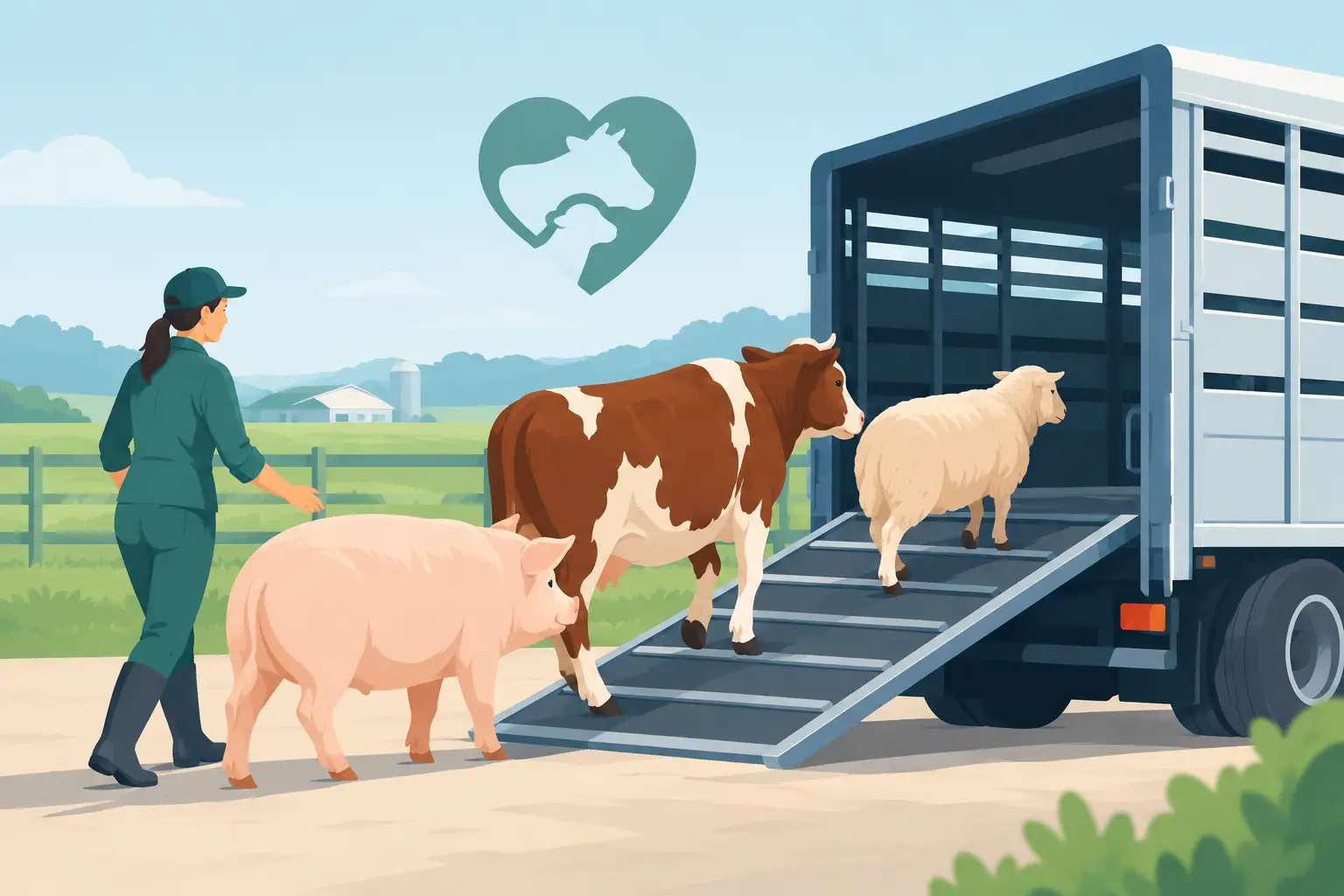
How to Move Breeding Animals With Welfare First
A breeding animal is never simply cargo. It may represent years of genetic selection, a carefully timed breeding program, future offspring, or the continuity of an entire herd, collection, or conservation effort. To move breeding animals safely, every decision must protect health, reproductive condition, biosecurity, and calm handling from the first pickup through settling in at the destination.
A successful relocation begins well before an animal enters a crate, trailer, aircraft, or vessel. The right plan accounts for species, age, temperament, current reproductive status, season, travel distance, import rules, and the standards of the receiving facility. When those details are managed as one coordinated operation, transit can be safe, humane, and predictable.
How to Move Breeding Animals Starts With Assessment
Breeding stock should be assessed individually, not grouped into a generic shipping plan. A healthy mature bull, a lactating mare, a pregnant ewe, a breeding pair of birds, and a breeding reptile may all require entirely different handling, environmental control, containment, and travel timing.
A veterinarian should confirm that each animal is fit for transport and identify factors that could change the plan. This may include pregnancy stage, recent breeding, lactation, neonatal dependents, recovery from illness or injury, vaccination status, parasite control, and medications. Transport is sometimes appropriate during pregnancy, but it is not automatically low risk. Late gestation, prior reproductive complications, heat stress, and long or highly disruptive routes may call for postponement or an alternate arrangement.
Behavior matters as much as physical health. Animals that are unaccustomed to separation, confinement, loading ramps, travel crates, or unfamiliar handlers need time to acclimate. For many species, a calm animal that has practiced entering its transport enclosure is safer than an animal placed into an unfamiliar container on departure day.
Select the Right Route and Transport Method
The fastest route is not always the best route. Direct air transport may reduce total travel time for an international move, while a professionally equipped ground vehicle can offer more control for regional livestock or equine relocation. Large animals may need air-ride suspension, non-slip flooring, species-appropriate partitions, and carefully planned loading facilities. Aquatic breeding stock requires stable water quality, oxygenation, temperature management, and contingency planning that is specific to the species.
For international shipments, flight schedules, airport handling capacity, customs clearance windows, and destination quarantine rules should be reviewed together. A poorly timed connection can create avoidable delays, while a well-designed itinerary protects rest periods and limits unnecessary transfers.
Protect Health, Permits, and Biosecurity
Breeding animals often move between facilities with different disease risks. That makes biosecurity a central part of transport planning, not a last-minute checklist. The origin facility, transport equipment, handlers, staging areas, and destination property should all support a controlled movement process.
Required documentation varies by species, origin, destination, and purpose of shipment. A commercial breeding move may require more than the paperwork needed for a companion animal. Depending on the route, documentation can include:
- Veterinary health certificates and proof of required testing
- Import permits, export approvals, and customs declarations
- Breed, ownership, pedigree, or breeding program records
- Quarantine documentation and facility acceptance confirmations
International movements may also involve agricultural agencies, wildlife authorities, airline cargo requirements, and destination inspection procedures. If the animals are protected, zoological, or exotic species, additional permits may be necessary. These approvals can take time, and some tests must be completed within narrow pre-travel windows. Starting late can jeopardize a carefully planned breeding schedule.
Equipment hygiene deserves the same attention. Transport crates, trailers, water systems, bedding, and loading areas should be cleaned and disinfected using methods appropriate for the species and health protocols involved. Animals from separate health groups should not be combined simply to simplify logistics. The cost of convenience can be far greater than the cost of maintaining separation.
Prepare the Animal and Its Transport Environment
Preparation should reduce surprises. Feeding, watering, exercise, temperature exposure, and handling routines should be adjusted according to veterinary guidance and species needs, rather than applying one rule to every animal. Some animals benefit from controlled feed management before travel. Others require continuous access to forage or frequent hydration. Withholding water without professional direction is never a sound default.
The transport enclosure must be the right size and design for the animal to stand naturally, balance, turn when appropriate, and rest as the species requires. It must also provide secure containment, ventilation, protection from weather, and access for trained personnel if care is needed. For animals traveling by air, the container must meet applicable carrier and regulatory standards.
Avoid Unnecessary Sedation
Sedation can interfere with balance, temperature regulation, breathing, and an animal’s ability to respond during transit. It should not be used simply because an animal seems difficult to load or because the trip is long. Any medication decision should come from the attending veterinarian, with the transportation team informed of the plan and monitoring requirements.
A better approach is usually acclimation, quiet loading, experienced handlers, appropriate companionship where suitable, and a travel environment designed for the species. Some animals travel more calmly with a familiar social partner. Others require individual separation for safety. The right choice depends on behavior, dominance patterns, health status, and available space.
Maintain Skilled Care During the Move
Departure day should be calm, organized, and free of avoidable waiting. The transport team should verify animal identity, health paperwork, container security, loading conditions, route details, and receiving contacts before movement begins. For complex shipments, there should also be a clear escalation plan for weather disruption, flight changes, mechanical issues, border delays, or a change in an animal’s condition.
Experienced animal handlers recognize that welfare is observed continuously. They watch for signs of overheating, dehydration, respiratory distress, injury, agitation, abnormal posture, or failure to eat and drink. For long-distance moves, appropriate rest, inspection, cleaning, feeding, and watering arrangements must be built into the operation.
Communication is equally valuable. Breeders, veterinarians, farm managers, zoo teams, and receiving facilities need accurate updates when timing changes. Clear information allows the destination team to prepare staff, transport from the arrival point, isolation space, and immediate care without rushing.
Plan Arrival Before the Animal Leaves
The destination facility should be ready before loading starts at origin. This includes secure unloading access, clean housing, appropriate temperature and ventilation, available water and species-suitable feed, and a quiet recovery period. A newly arrived breeding animal should not be pushed immediately into a new social group, breeding environment, or demanding work routine.
Many operations benefit from a structured post-arrival observation period. The receiving team can monitor appetite, hydration, manure or waste output, gait, respiratory condition, behavior, and any pregnancy-related concerns. Quarantine or isolation requirements must be respected, even when the animal appears healthy. This protects the resident population and supports responsible breeding management.
For high-value breeding programs, keep transport records with the animal’s health and reproductive records. Document the travel date, route, feeding and watering observations, medications, arrival condition, and any deviations from plan. Those details can be useful if a veterinarian later needs to assess changes in condition or reproductive performance.
Choose Specialized Support for Complex Moves
A local trip with healthy, acclimated animals may be managed with an experienced regional provider. A cross-country or international move involving pregnancy, multiple species, rare genetics, strict import rules, or specialized containment requires a deeper level of coordination. The right transport partner should understand the animal’s needs as well as the logistics around it.
Global Animal Transport coordinates species-specific domestic and international relocation for animals ranging from household pets and livestock to zoological, exotic, and aquatic species. The goal is not merely to arrange a departure. It is to build a humane, compliant plan that protects the animal and gives owners, breeders, and institutions confidence at every handoff.
When valuable breeding animals need to relocate, allow enough time for veterinary review, permits, acclimation, and destination readiness. A careful plan protects far more than a travel date – it protects the future those animals represent.
