
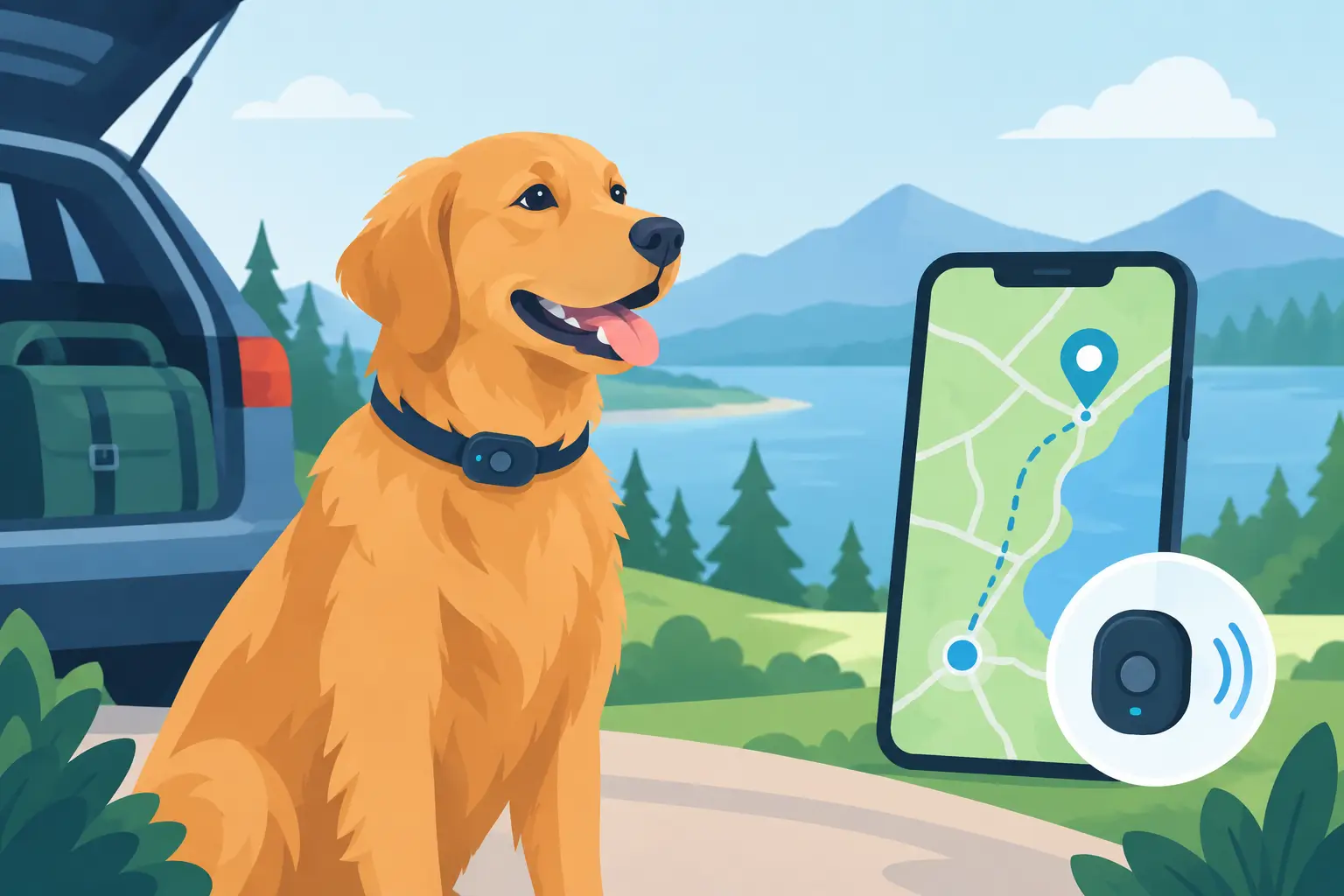
A Pet GPS Tracker Review for Safer Travel
A pet GPS tracker review should begin with one clear expectation: a tracker can help locate a pet, but it cannot replace secure containment, attentive handling, or a professionally planned travel itinerary. For families preparing for a move, a long road trip, or a pet relocation, that distinction matters. The best device is the one that works reliably in the places your animal will actually be, fits comfortably, and supports your larger safety plan without creating new risks.
GPS trackers have become a useful layer of reassurance for dog and cat owners. They can show a pet’s recent location, notify an owner when a pet leaves a designated area, and provide valuable information if a collar is lost or an animal slips away. Their usefulness changes, however, when travel involves airports, cargo facilities, unfamiliar hotels, border crossings, or long distances.
Pet GPS Tracker Review: The Features That Matter
A tracker’s advertised range is often less meaningful than its connection type. Most consumer GPS pet trackers use cellular networks to send a location from the device to an app. This can work very well in populated areas with compatible coverage, but the tracker may update slowly or stop reporting in remote locations, inside certain buildings, or outside its supported country.
Before purchasing, confirm where the device can operate. A tracker designed for domestic cellular service may not function after an international move, even if the app remains available on your phone. Some brands offer multi-country service plans, but coverage still depends on local network availability and the specific device model.
Battery performance deserves the same level of scrutiny. Frequent location updates can reduce battery life significantly, particularly when a pet is moving or when the owner activates live tracking. A device that lasts several days during ordinary neighborhood walks may need charging much sooner during a travel day. For animals traveling in a crate, owners should never assume they will be able to access the collar or tracker during transit to recharge it.
Fit is equally important. A tracker that is too heavy can irritate a small dog or cat, catch on surfaces, or shift until the antenna is poorly positioned. A lightweight tracker is generally preferable, provided it is attached securely to a properly fitted breakaway cat collar or a durable dog collar. The collar itself should always display current identification information. A GPS unit is helpful technology, but a readable ID tag and registered microchip remain essential safeguards.
Accuracy, update speed, and location history
GPS accuracy is not absolute. Open outdoor areas generally produce the best results, while dense urban settings, heavy tree cover, parking structures, and indoor spaces can interfere with location readings. A pin on a map may identify a property or block rather than the exact spot where a frightened pet is hiding.
Update speed also varies. Standard mode may report a location every few minutes, while live modes may update more frequently and consume more battery. For routine monitoring, a slower update may be entirely adequate. If a pet has escaped, faster reporting is more useful, but owners should still approach calmly and avoid actions that could cause the animal to run farther.
Location history can be valuable after the fact. It may help establish when a pet left a yard, identify a gap in fencing, or show a pattern of roaming. For travel, history can offer reassurance during supervised ground transport, but it should not be treated as a substitute for direct welfare checks by trained handlers.
Alerts should be useful, not constant
Many trackers include geofencing, which lets an owner create a virtual safe zone around a home, hotel, or temporary residence. This feature can be worthwhile for pets settling into a new area. It is most effective when the boundary is sized realistically. A very tight boundary can trigger repeated alerts from normal GPS drift, while a large boundary may not provide timely notice of a genuine escape.
Look for adjustable alerts, multiple caregiver access, and a simple way to share location information with a trusted family member or pet sitter. Multiple contacts can be especially helpful during a household move, when one person may be driving while another is managing check-in arrangements or caring for children.
What a GPS Tracker Can and Cannot Do During Pet Travel
For road travel, a GPS tracker can be a practical addition to a secure crate, harness, and collar. Stops at fuel stations, rest areas, and unfamiliar lodging are common moments when a pet can become startled or disoriented. Keeping the tracker charged and the pet’s identification current can provide an additional response tool if separation occurs.
Air travel requires greater caution. Airlines and animal transport professionals have specific requirements for travel kennels, identification, handling, and cargo acceptance. Electronic devices may be restricted, discouraged, or impractical depending on the airline, route, cargo procedures, battery type, and access to the animal during transit. A cellular tracker also may not transmit while inside an aircraft or in areas with limited signal.
Do not attach any device in a way that creates a snagging hazard inside a travel kennel. Do not place a tracker inside the crate where it could be chewed, swallowed, damaged, or mistaken for a foreign object. Most importantly, do not make flight decisions based on the assumption that a consumer tracker will provide continuous, real-time visibility from departure to arrival.
For international relocation, the tracker is an accessory rather than a compliance tool. Health certificates, import permits, vaccination records, microchip requirements, airline-approved kennels, customs timing, and destination-country rules will determine whether travel proceeds safely and lawfully. A location app cannot resolve a documentation delay or replace coordinated care at each stage of the journey.
Choosing the Right Tracker for Your Pet
The right choice depends on your animal and the type of travel involved. A large, active dog on regular hikes may benefit from a durable cellular tracker with frequent updates and a long battery life. A small indoor cat may need a much lighter unit, if any wearable tracker is appropriate at all. An older pet or an animal prone to anxiety may be better served by careful environmental controls and dependable identification rather than a bulky device that causes discomfort.
When comparing options, assess these practical questions:
- Does the device work on the cellular network and in the countries where your pet will be?
- How often will it report a location in normal mode and in live tracking mode?
- What is the realistic battery life, and how long does recharging take?
- Is the tracker waterproof, securely mounted, and appropriately sized for your pet?
- Is there a monthly subscription, activation fee, or international service charge?
- Can you easily share access with another responsible caregiver?
Subscription costs deserve attention because many GPS trackers require an ongoing plan. A lower-priced device can become more expensive over time if its service plan is costly or if international coverage is an add-on. Review the terms before a move, rather than discovering that the tracker cannot be activated at your destination.
Build a Layered Safety Plan
The most dependable pet travel plan uses several protections at once. Your pet should have a registered microchip with current contact details, a collar tag with a phone number, recent photographs, and an appropriately sized secure carrier or kennel. For dogs, a properly fitted harness and backup leash can reduce risk during supervised transfers. For cats and small animals, minimizing handling in unsecured spaces is often the safer choice.
A tracker fits into this plan as one additional measure. Test it before travel at home, on walks, and during a short drive. Learn how notifications appear, how quickly the app refreshes, and what happens when the device loses signal. If you are moving internationally, verify coverage at both origin and destination before relying on it.
For complex domestic or international moves, Global Animal Transport coordinates humane, species-appropriate logistics with attention to documentation, routing, handling requirements, and animal welfare. That level of preparation is especially valuable when travel includes multiple carriers, long-distance ground transfers, or destination regulations that leave little room for error.
A GPS tracker can offer welcome reassurance, particularly when a pet is adjusting to a new home or traveling by road. Use it wisely, keep expectations realistic, and let careful preparation remain the protection your animal can depend on when it matters most.
