
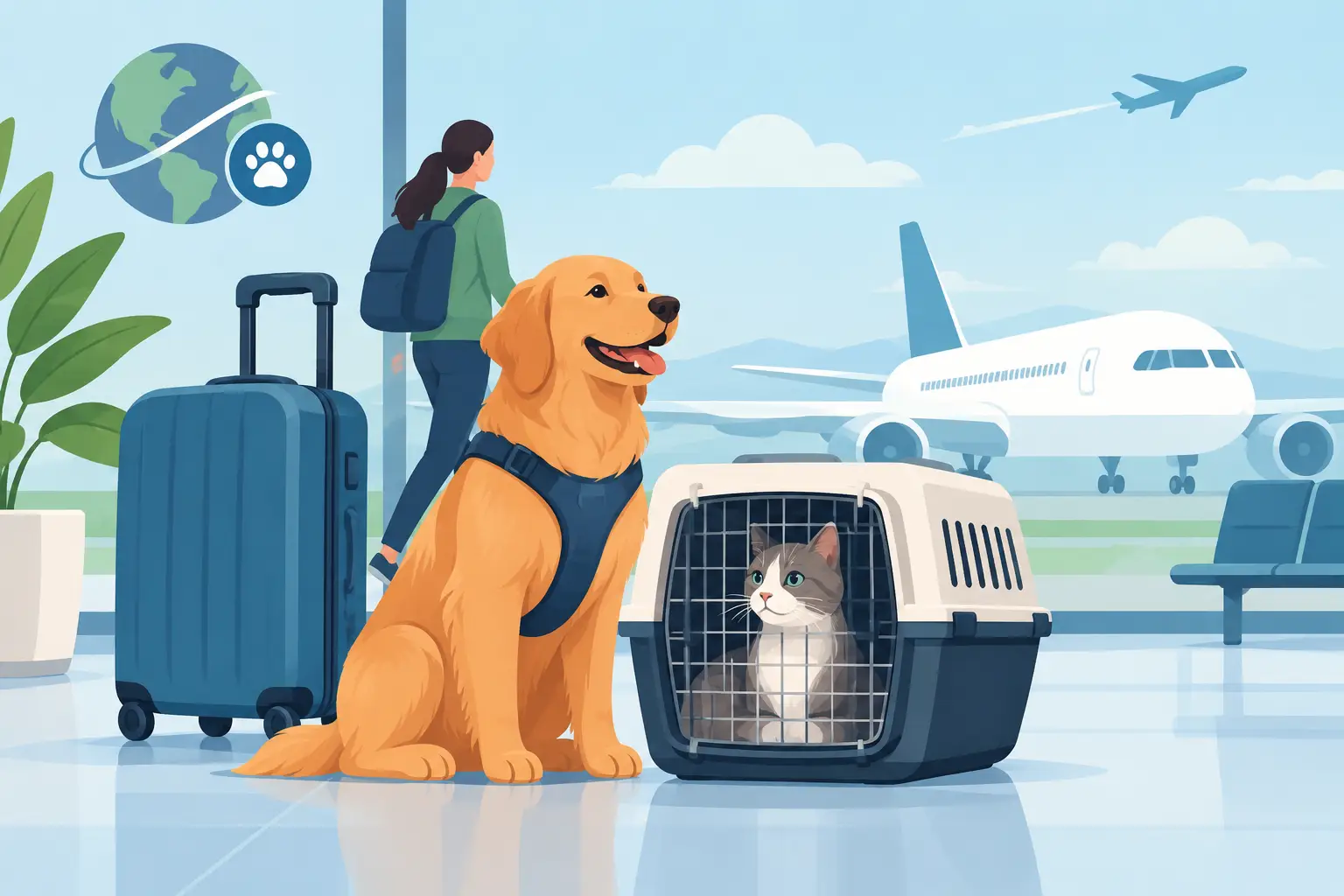
Pet Travel Trends Shaping Safe Moves in 2026
A pet move can look simple from the outside: book a flight, buy a carrier, arrive at a new home. In practice, pet travel trends are making the process more regulated, more time-sensitive, and more dependent on animal-specific planning. For families relocating across the country or overseas, the priority is no longer merely getting a pet from one airport to another. It is arranging a move that protects welfare, meets entry requirements, and accounts for the realities of each animal.
Pet Travel Trends Are Raising the Planning Standard
The clearest change is the move toward earlier, more detailed preparation. Airlines, destination countries, and local authorities continue to refine their requirements for live-animal transport. Health certificates, vaccination records, microchip information, import permits, carrier specifications, and temperature restrictions can all affect whether an animal is accepted for transport.
This is especially true for international moves. Some destinations require veterinary treatments or blood testing months before travel, while others apply strict rules on certificate timing. A document that is accurate but issued outside the required window may still create a delay. Owners are increasingly recognizing that relocation planning should begin well before a household move date is finalized.
For domestic travel, advance planning is also becoming more valuable. Airline pet policies can vary by route, aircraft type, season, and available space. What worked on a previous trip may not be available for the next one. A professional review of the itinerary and animal’s needs helps prevent avoidable changes at the airport.
Animal Welfare Is Driving Better Travel Decisions
Pet owners are asking better questions about how their animals will be handled, not simply where they will fly. That shift is one of the most meaningful pet travel trends. Families want to understand crate setup, airport transfer procedures, flight timing, feeding guidance, and how long an animal may be in transit.
The right plan depends on the pet. A healthy adult dog accustomed to a travel kennel has different needs than a senior cat, a brachycephalic breed, a nervous rescue animal, or a pet with an ongoing medical condition. Age, temperament, breed, health status, climate tolerance, and prior travel experience all matter.
This does not mean the shortest route is always the best route. A direct flight can reduce handling and overall travel time, but scheduling availability, weather, airport operating hours, and destination procedures may make another routing safer. For a long international move, a carefully coordinated itinerary with appropriate rest and transfer management may be preferable to a rushed plan with little margin for disruption.
Carrier Selection Is Now Part of the Safety Plan
Travel crates are receiving more attention for good reason. An airline-compliant kennel must be large enough for an animal to stand naturally, turn around, and lie down comfortably. It also needs secure construction, ventilation, absorbent bedding, and properly attached food and water containers when required.
A crate should not be introduced on departure day. Acclimating a pet in the weeks before travel can reduce stress and make the carrier feel familiar rather than frightening. Owners should avoid treating the crate as a punishment. Calm, gradual training with positive associations supports safer handling from pickup through arrival.
Airline Capacity and Seasonal Limits Remain Critical
The increased demand for pet relocation has not removed operational limits. In many cases, it has made early booking more necessary. Airlines have finite live-animal capacity, and restrictions may apply to certain breeds, species, aircraft, or connecting airports.
Seasonal weather is another major factor. High heat and extreme cold can lead to embargoes or adjusted acceptance procedures, particularly when an animal must spend time on the ground during loading, unloading, or transfer. These safeguards exist to protect animal welfare, but they can require flexibility in travel dates and routing.
Owners should be cautious about making nonrefundable travel or housing commitments before the animal’s transport plan is confirmed. A relocation timeline should allow room for veterinary appointments, documentation, airline acceptance, and unexpected schedule adjustments. Building that margin early is far less stressful than trying to solve a problem days before departure.
International Documentation Is Becoming More Specialized
Cross-border pet relocation is not a single paperwork task. It is a sequence of requirements managed in the correct order. Depending on the destination, that may include a microchip, rabies vaccination, parasite treatment, government-endorsed health certificate, import permit, customs clearance, or quarantine reservation.
Requirements also differ by species. Dogs and cats are commonly transported, but rabbits, birds, reptiles, and other companion animals can involve very different handling and regulatory considerations. Some animals may require wildlife permits or additional approvals that do not apply to household pets.
A reliable transport plan verifies the rules for the destination as well as transit points. A connecting country may have its own restrictions, even when the animal is only passing through the airport. This is where experienced coordination becomes essential: a complete plan considers every handoff, not just the departure and final arrival.
Door-to-Door Coordination Is Replacing DIY Logistics
Many pet owners still manage straightforward travel themselves, especially for simple domestic moves. However, the trend toward full-service coordination is growing as relocations become more complex. Door-to-door support can include pickup, airline booking coordination, export documentation, customs arrangements, destination handling, and final delivery.
The benefit is not convenience alone. It is accountability across multiple stages of the trip. When veterinary offices, government agencies, airlines, cargo facilities, customs officials, and ground transport providers are involved, each detail must align with the next. A missed endorsement, incorrect crate measurement, or late arrival at a cargo facility can affect the entire schedule.
For institutional clients, this level of coordination is even more significant. Breeders, zoos, aquariums, conservation programs, and livestock operators need transport plans that account for species welfare, specialized equipment, permits, staffing, and contingency management. The same principle applies whether the move involves one family dog or a highly regulated group of animals: the transport process must be built around the living animal, not around a generic shipping template.
Technology Helps, but Human Oversight Still Matters
Owners increasingly expect status updates and clearer communication throughout a move. Digital records, booking confirmations, flight monitoring, and travel checklists can make the process easier to follow. These tools are valuable, particularly when a family is managing its own relocation at the same time.
Yet technology cannot replace experienced judgment when conditions change. A weather delay, flight cancellation, documentation question, or airport handling issue requires immediate coordination by people who understand live-animal transport. The most dependable service combines timely communication with knowledgeable human oversight around the clock.
It is also wise to be alert for unrealistic promises. Any provider that guarantees international clearance without reviewing the destination rules, minimizes veterinary requirements, or cannot explain its handling process should be approached carefully. Safe transport involves compliance, preparation, and honest guidance about what a particular animal and route require.
What Pet Owners Should Do Before Booking
Start with a veterinary assessment that is appropriate for travel, particularly if your pet is elderly, anxious, recovering from illness, or has a breed-related sensitivity. Then confirm the destination’s entry requirements and create a timeline that works backward from the intended arrival date.
Next, evaluate the full journey rather than the ticket price alone. Consider the route, season, carrier, airport transfers, travel crate, destination clearance process, and transportation after arrival. Sedation is generally not recommended for air travel unless specifically directed by a veterinarian, as it can affect an animal’s balance and respiratory function.
If the move includes an international border, a tight deadline, multiple animals, or a species with special requirements, professional assistance can provide essential reassurance. Global Animal Transport develops transport plans around the animal’s welfare needs, required documentation, and the practical demands of domestic and international movement.
A successful pet relocation begins before the crate is packed. Give your animal the benefit of time, qualified guidance, and a plan designed for the journey they will actually take.
